Author: Vittoria Pasca
A little-known tree native to northern Australia is quietly reshaping the agricultural landscape, offering promising environmental benefits. Pongamia belongs to the legume family, like beans and lentils, and possesses unique characteristics that make its cultivation highly beneficial for environmental protection.
Pongamia’s environmental potential in Australian food systems
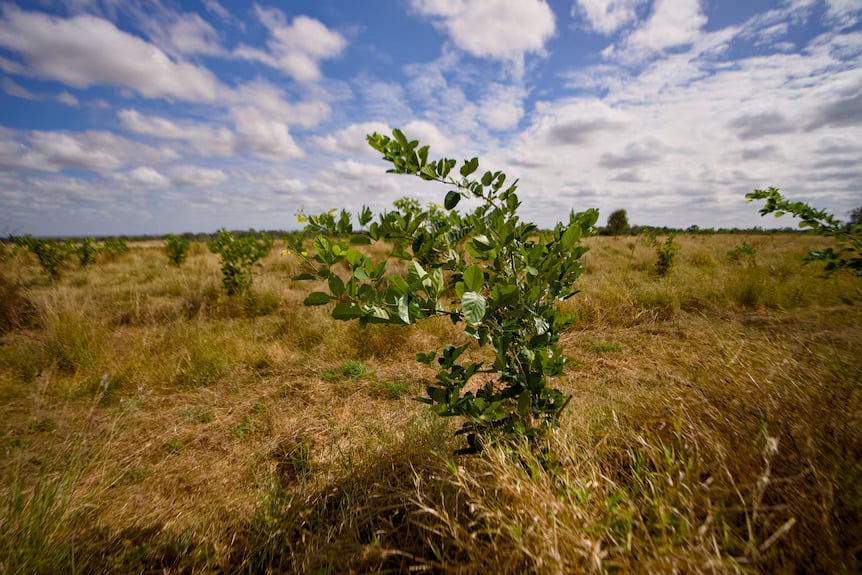
One of the main reasons its cultivation is expanding across Australian farms is its high drought tolerance and natural pest resistance. These traits make it perfectly suited for marginal land where traditional broadacre crops fail. It also has a high resilience to soil salinity and heavy metals, demonstrating strong potential to restore degraded and contaminated land.
Among its most impressive environmental features are its ability to sequester carbon and fix its own nitrogen, thus eliminating the need for synthetic chemical fertilizers. The trees grow rapidly and can thrive for decades (even for 50 to 80 years), during which their extensive root systems store carbon in the soil.
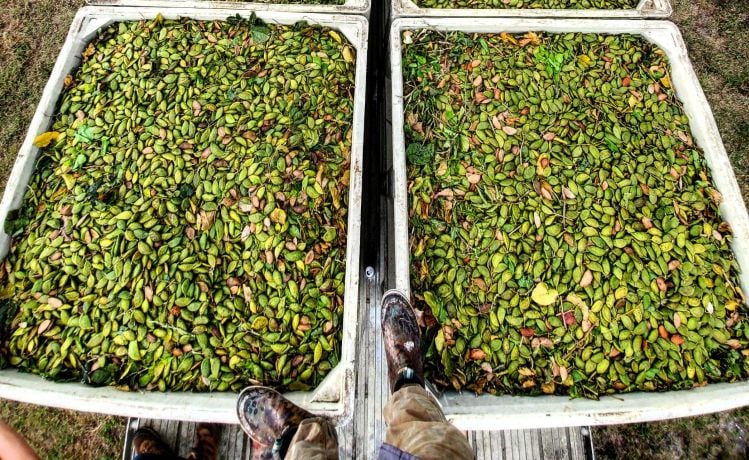
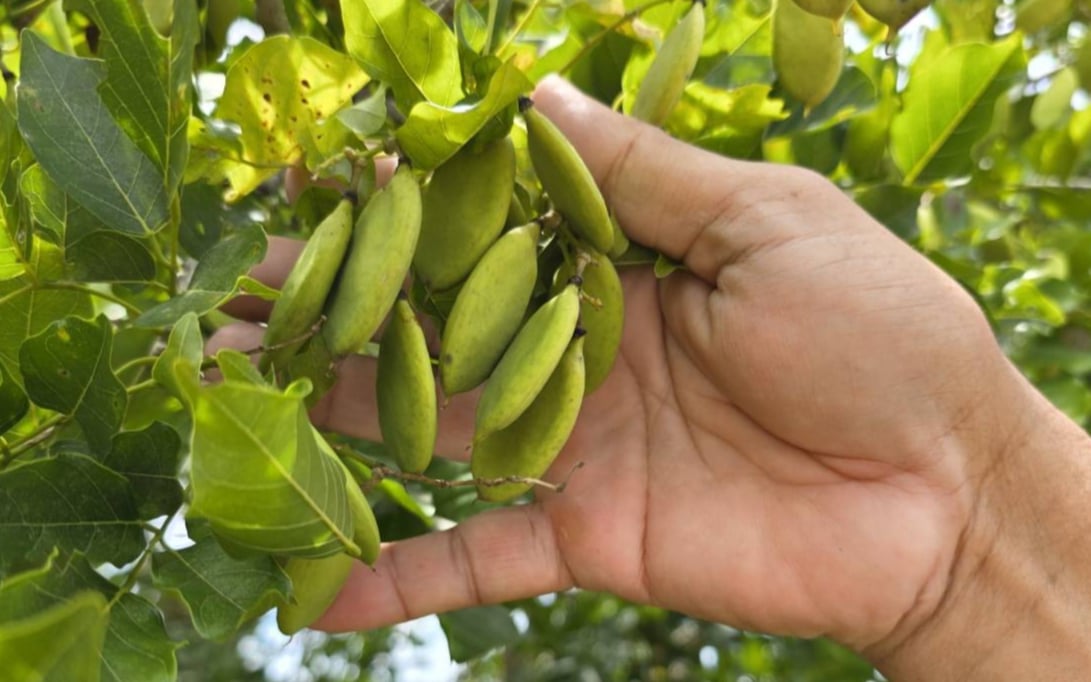
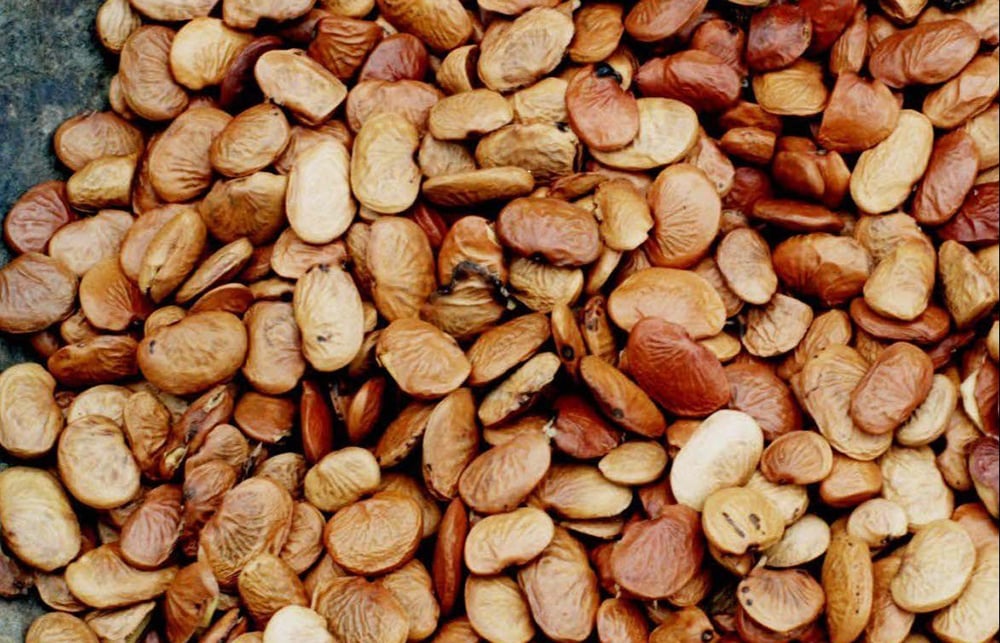
However, the primary driver behind its rapid adoption on Australian farms is its use as a renewable biofuel. Its seeds contain up to 40% oil, which can be processed into biodiesel and sustainable aviation fuel. The remaining 60% of the seed forms a high-protein, carbohydrate-rich seed meal, which is currently used as animal feed. Beyond its current use, this seed meal is also being explored as a potential source of protein for human consumption, a direction that could open valuable new markets for farmers.
It can also substitute for other plant-based feeds, such as soy, whose rapid expansion is frequently linked to deforestation in developing countries. Contrary to popular belief, this is driven by animal feed rather than tofu or tempeh: around 77% of the world’s soy is fed to farmed animals for meat, dairy and eggs, while only about 7% is eaten directly by people. Because pongamia thrives in conditions unfavourable for other crops, it drastically reduces the risk of driving deforestation or competing with food production.
The University of Queensland is leading research to integrate pongamia into existing agricultural land to actively sequester carbon on a large scale, thus providing a framework for considerable carbon capture.
A promising plant-based food ingredient
Farmers are now starting to plant it to diversify their revenue through biofuel, which could eventually become more profitable than raising cattle. But that’s not all. This financial potential will increase even further if producing pongamia ingredients for human consumption becomes viable at scale. Ongoing research, primarily led by the agribusiness Terviva, aims to produce edible oil and protein from the beans by developing technology that successfully removes their natural bitterness and low-level toxicity,much like how intense heat processing turns raw, naturally toxic cashews into a food eaten safely every day.
The resulting oil, branded as Ponova oil, is already being used in niche products in the US. It is high in omega-9 fatty acids, remains semi-solid at refrigerator temperatures due to the presence of saturated fats, and has a rich, buttery flavour. These characteristics make it an excellent ingredient for plant-based alternatives like vegan dairy, raw desserts, protein bars, and baked goods, effectively replacing animal fats like butter or ingredients traditionally linked to high deforestation risks, such as palm oil.
Pongamia is a complete protein containing all nine essential amino acids in balanced proportions. This elevates the quality of its protein profile, placing it much closer to soy or eggs than to typical peas and beans. Current experiments are underway to produce pongamia protein isolates and flours, which could serve as low-allergen alternatives for high-protein bars, baked goods, and plant-based meats.
Furthermore, pongamia components can also be successfully processed into organic biopesticides, insect repellents, and eco-friendly soaps.
Unlocking pongamia for human consumption is likely to significantly boost its market value, offering a lucrative opportunity for farmers to easily diversify their income streams. Integrating highly resilient crops like pongamia into existing properties creates a more stable, climate-resilient, and financially sustainable future for the entire agricultural sector.