

V-Label Certification
The world’s leading vegan and vegetarian trademark
V-Label is an internationally recognised, registered seal for labeling vegan and vegetarian products and services, established in Switzerland in 1996.
Customers associate V-Label with being:
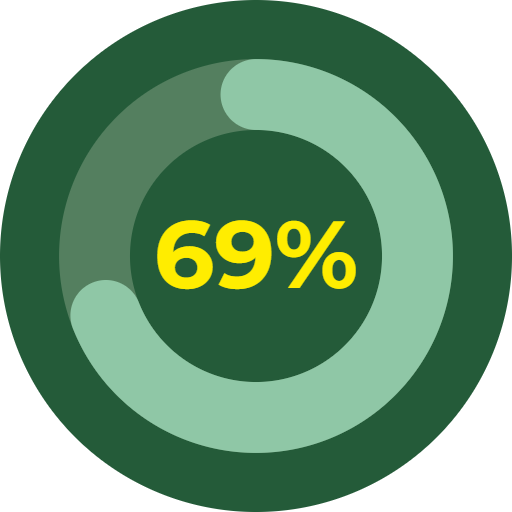
Healthier
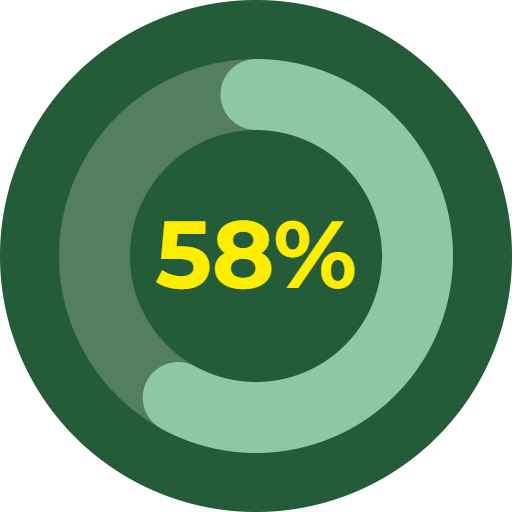
More Trustworthy
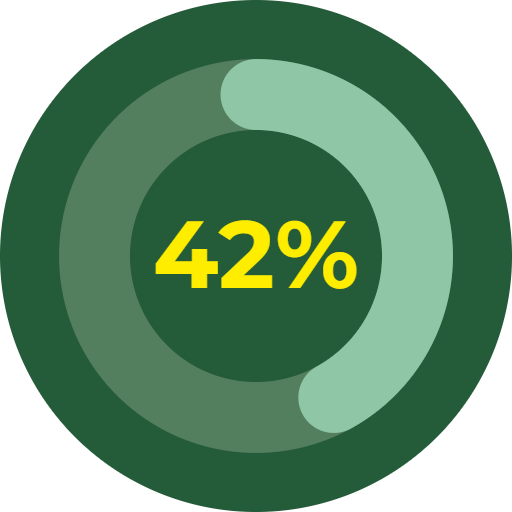
Higher Quality
Global community, local support
50+ Countries
35+ Partner Organisations
30+ Languages
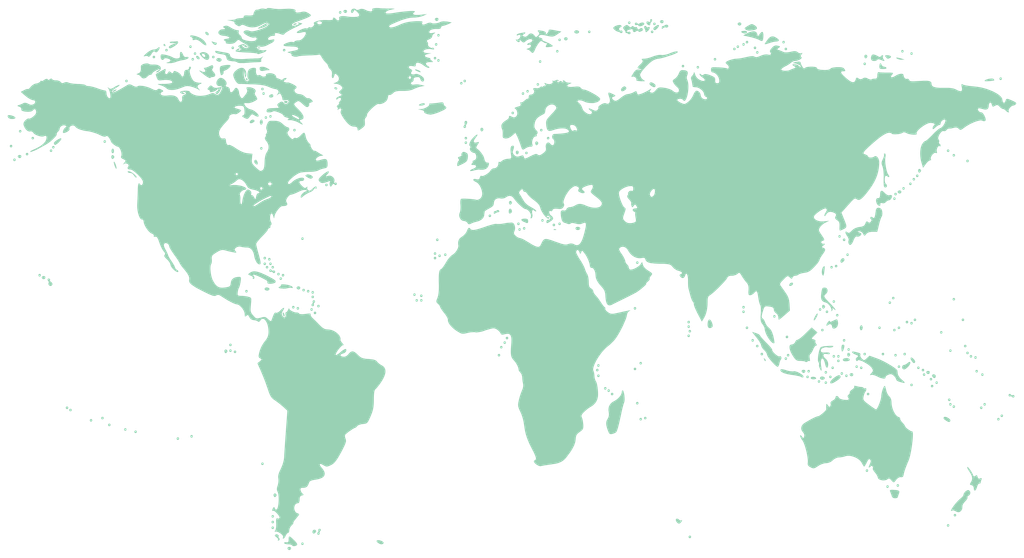
Over 70,000 Products Certified!

How does it work?
01
Register as a new customer
To get an initial, no-obligation quote, you will need to submit some details about your company and give an overview of the products you wish to license.
02
Product Review
Following an offer and contract coordination you will be able to submit your product details, including ingredients and production processes, for review.
03
Ingredient & Manufacturing Check
V-Label experts ensure that every certified product meets strict vegan or vegetarian standards, covering not only the ingredients but also production and testing.
04
Approval & Certification
If your product meets the strict criteria, you will receive certification and can display the V-Label logo.

Frequently Asked Questions
What is V-Label?
V-Label is a globally recognised, registered trademark for vegan and vegetarian products. Established in Switzerland in 1996, it now appears on more than 70,000 certified products in more than 50 countries. ProVeg Australia is the official V-Label licensing partner in Australia.
Why should my business get V-Label certified?
V-Label gives shoppers instant confidence that a product is genuinely vegan or vegetarian, backed by independent expert checks rather than self-declared claims. It helps your products stand out on crowded shelves, builds trust with a growing market of plant-based and flexitarian consumers, and connects your brand to a label with 30 years of international credibility.
Is V-Label recognised outside Australia?
Yes. V-Label is used in more than 50 countries, making it a strong choice for Australian businesses that export or plan to expand overseas. Certification is arranged through ProVeg Australia, and the same trusted label can help your products be recognised by shoppers and retailers in international markets.
What is the difference between vegan and vegetarian V-Label certification?
Vegan V-Label certification is for products that contain no animal-derived substances at any stage of production or processing. Vegetarian V-Label certification is for products that may contain animal products such as dairy, eggs or honey, but no meat, fish or seafood, or by-products such as gelatine or animal rennet. Each label can only be used on products that meet its specific criteria.
What types of products can be V-Label certified?
Food, drinks and cosmetics can be certified as either vegan or vegetarian. Non-food products, such as clothing, cleaning products and household goods, can be certified as vegan. V-Label certifies individual products, not companies.
Who can apply for V-Label certification in Australia?
Australian-based producers can apply to certify their products. Distributors may also apply if they can provide full product information and an audit of the production site is possible. Retailers can certify their own private label products in agreement with the producer.
What do V-Label experts check?
V-Label experts review each product’s full recipe and production process, including additives and processing aids. Suppliers of any potentially animal-derived ingredients must confirm in writing that their materials meet V-Label criteria. Packaging is also reviewed to make sure the label is used correctly.
Are V-Label certified products audited?
Yes. Audits are an important part of V-Label certification and help ensure every certified product continues to meet V-Label criteria. Audits take place at the production site after a product has been certified, with the first audit carried out within the first year of certification.
Does V-Label certification cover animal testing?
Yes. Products cannot be V-Label certified if the finished product, or any ingredient supplied for it, has been tested on animals for that product.
Can products made in shared facilities be certified?
Yes. Products made on shared production lines can still be certified, provided appropriate measures are in place to avoid cross-contamination, such as separate equipment, scheduling vegan and vegetarian runs first, and thorough cleaning between batches.
Can cultivated meat or precision fermentation products get V-Label certification?
No. Products made using animal DNA in non-animal cells do not meet V-Label criteria. These products fall under separate labels: the C-Label for cultivated products and the F-Label for precision fermentation.
How does the V-Label certification process work?
Register your interest using the form on this page. We send you an offer and a licence agreement. Once signed, you submit product details, supplier confirmations and packaging designs. Our team examines your documents. Once approved, you receive your V-Label licence certificate and can use the label on your packaging.
How long does certification take?
A standard examination is completed within 20 working days of receiving all required documents. Need it sooner? An Express examination is completed within 10 working days, and a Flash examination within 3 working days.
How long does V-Label certification last?
A V-Label licence is valid for up to 12 months and is renewed annually.
How do I use V-Label on my packaging?
Certified businesses receive V-Label’s official style guide and logo files. All packaging designs must be approved before printing to ensure the label is used correctly.
How do I get started?
Fill out the interest form on this page and our team will be in touch to talk through your products and next steps.
