

Ahead of the world’s leading food trade show, the Acting Director of SIAL Paris explains why scale, cross-industry collaboration and plant diversity will define the future of alternative proteins.
The plant-based sector has spent the past decade proving that alternative proteins are possible. The next decade will be about proving they can compete on taste, nutrition, price and availability, at scale, in every market. Few places show that shift more clearly than the floor of SIAL Paris, where manufacturers, start-ups, retailers and buyers from around the world come together to see what the future of food really looks like.
About the event
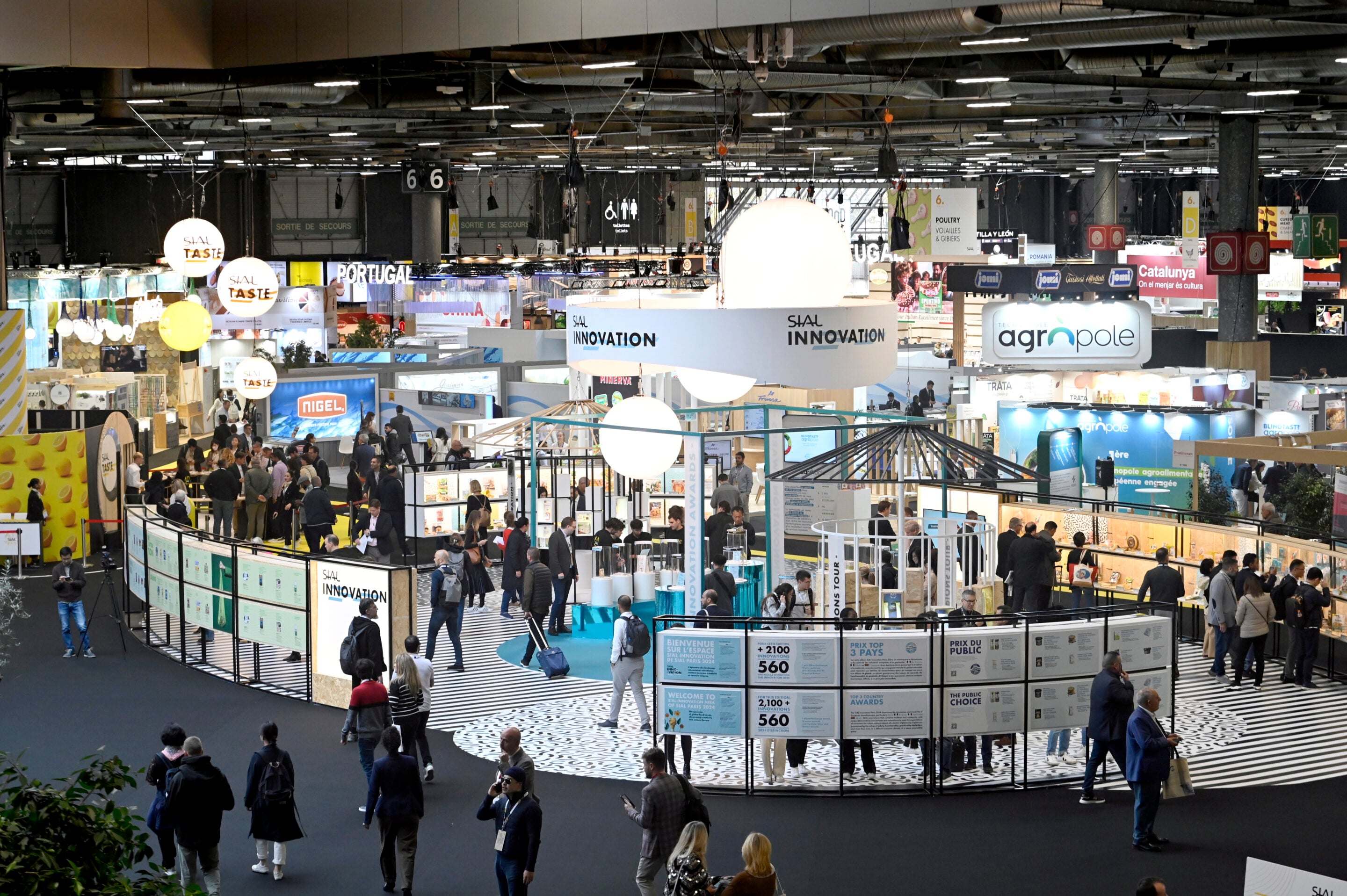
SIAL Paris returns from 17 to 21 October 2026 at Paris Nord Villepinte. Held every two years since 1964, it is one of the world’s largest gatherings of food industry professionals, with more than 8,000 exhibitors expected this year. The 2026 edition marks 30 years of SIAL Innovation and brings new sector-focused areas, AI-powered matchmaking and SIAL Summits and Talks on the forces transforming the industry, from AI and traceability to changing consumer expectations. For anyone working in plant-based and alternative proteins, it is a rare chance to compare approaches from different markets side by side and see which innovations are ready to move from pilot to mainstream.
About Jean-Gabriel
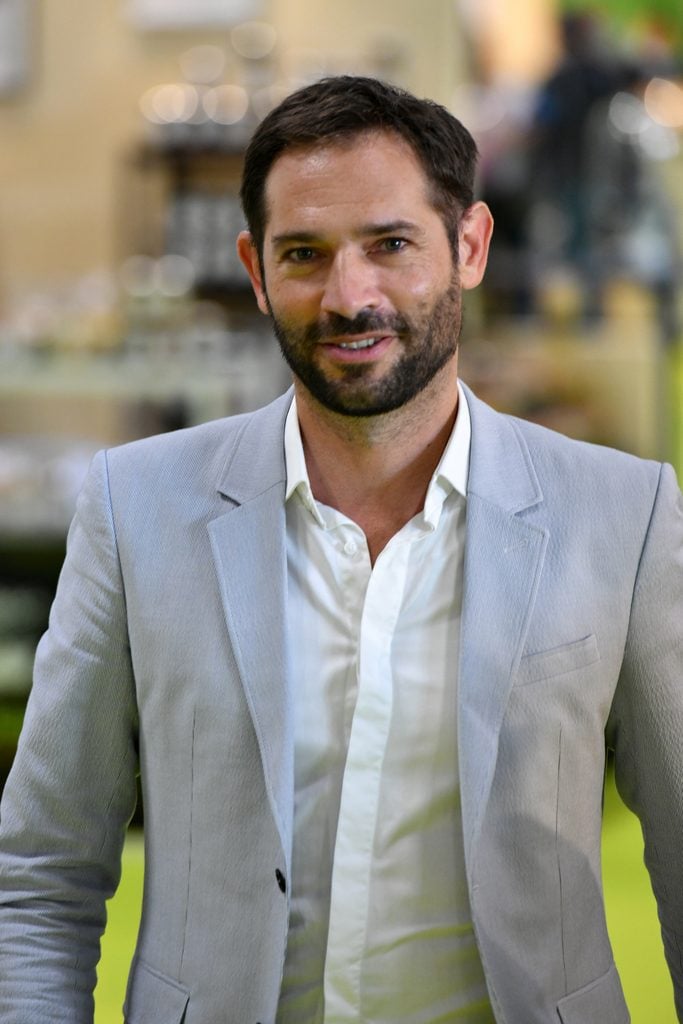
Jean-Gabriel Mollard is Acting Director of SIAL Paris. He previously served as Director of Marketing and Communications, working closely on the development of SIAL Paris and overseeing marketing across the SIAL Network’s 12 international trade shows, from Paris and Montreal to Shanghai, Jakarta and beyond. That global vantage point gives him an unusually broad view of how food trends take shape across different markets and cultures.
Following the conversations at this year’s New Food Conference, we spoke to Jean-Gabriel about what the industry can expect in Paris, where collaboration is still falling short, and what SIAL Insights reveal about the next generation of plant-based foods.
1. With SIAL Paris taking place from 17 to 21 October, how do you expect the plant-based and alternative sector’s move toward industrial scale and supply chain maturity to manifest on the show floor?
The plant-based sector is entering a new phase of maturity. The challenge is no longer simply to offer an innovative alternative, but to demonstrate its ability to meet market expectations in terms of taste, nutrition, price, availability and industrial performance. This will be visible among both established manufacturers and start-ups, alongside a broader approach to alternative proteins, including fermentation and new technologies.
What is particularly interesting is the shift from technological promise to market relevance. Innovation must now prove that it can be produced at scale while delivering a proposition that consumers genuinely want. At SIAL Paris, buyers will be able to assess these solutions in a very concrete way, compare approaches from different markets and identify those with the strongest potential to move from innovation to widespread adoption.
2. Turning to cross-industry alliances, which was a central theme at this year’s New Food Conference, where from your perspective is collaboration across this food value chain still falling short?
One area where collaboration still falls short is the ability of food companies to look beyond their traditional ecosystem. Many of tomorrow’s solutions will require highly specialized expertise that does not necessarily sit within the food industry itself. This means building bridges with technology, science, data and other expert communities much earlier in the innovation process. The challenge is not simply to bring different players around the same table, but to combine their capabilities with deep consumer understanding and industrial know-how to develop solutions that can reach the market.
In a period of rapid technological, environmental and consumer change, these cross-industry alliances can become a real source of competitiveness. This is also a conversation we want to encourage at SIAL Paris, by bringing together different expertise and exploring new models of partnership and collaboration across and beyond the food value chain.
3. Which regions or markets are currently setting the pace for alternative protein innovation, and what can Europe learn from them?
Innovation no longer stems from a single market, and there is probably no single region that Europe should seek to replicate. Different markets are developing alternative proteins according to their own consumer cultures, regulatory environments and food habits. For Europe, the key lesson is to remain open to these different approaches while building on its own strengths. What works in one market cannot simply be transferred to another: products need to resonate with local expectations around taste, nutrition, price and everyday eating habits. The opportunity for Europe is therefore to learn globally while developing an approach to alternative proteins that are relevant to its own consumers and food culture.
4. What do your SIAL Insights and future projections reveal about the next generation of plant-based foods?
SIAL Insights show that plant-based is entering a new era: one less focused solely on imitating meat and more on plant diversity, pulses and flexible diets. This is an important shift because consumers are not necessarily approaching food through a binary choice between animal and plant-based products. Success will increasingly depend on combining pleasure with nutritional quality, functionality, convenience and affordability.
This evolution also connects with the fragmentation of eating occasions identified in SIAL Insights: traditional meals remain important, particularly in Europe, but snacking, smaller formats and more flexible consumption are gaining ground. For plant-based brands, the opportunity is therefore much broader than substitution alone: it is about creating relevant products for different needs, lifestyles and eating occasions, while keeping taste and consumer value at the heart of innovation.
See the future of food for yourself
SIAL Paris is open to food industry professionals from 17 to 21 October 2026 at Paris Nord Villepinte. Whether you are a manufacturer, retailer, buyer or innovator in the plant-based space, this is your opportunity to meet the companies shaping the next era of alternative proteins.