

ProVeg International takes the food systems transformation agenda to SBI-7, building momentum towards COP17
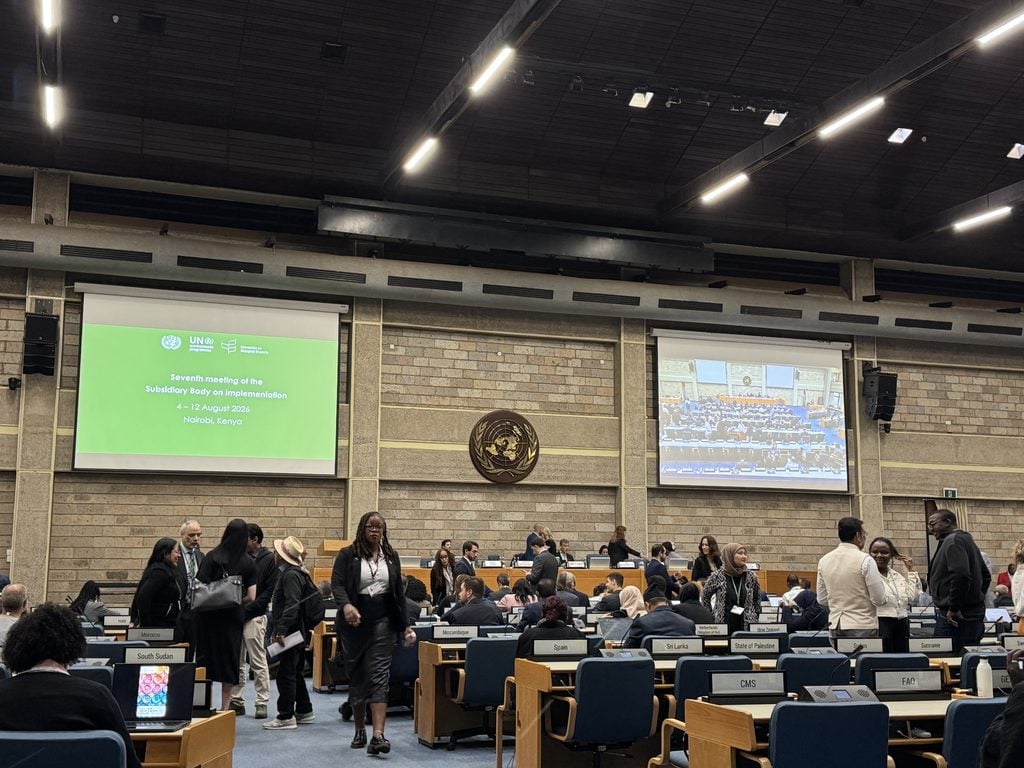
The seventh meeting of the Subsidiary Body on Implementation (SBI-7) under the UN Convention on Biological Diversity (UN CBD) recently concluded in Nairobi, Kenya. As the final gathering of country representatives and delegates before COP17 in Yerevan, Armenia, this meeting carried immense importance for the future of global biodiversity policy.
Global biodiversity remains under severe threat, with habitat destruction and species extinction continuing to outpace conservation efforts. Because unsustainable agricultural practices and consumption patterns are primary drivers of nature loss, the ProVeg International UN Policy team was on the ground in Nairobi to advocate for food systems transformation as an essential pillar of global nature protection.
Key Takeaways from the Negotiations
A central focus of SBI-7 was the global review of progress toward the Kunming-Montreal Global Biodiversity Framework (KMGBF). The draft global report delivered a stark message: despite unprecedented global engagement, the world is currently off track to meet the KMGBF’s 2030 targets and 2050 goals.
As an accredited observer organization, ProVeg closely monitored the discussions, focusing on key leverage points:
- Target 16 (Sustainable Consumption): This is a critical priority for ProVeg heading into COP17, particularly as the Global review of collective progress revealed that 70% of national targets currently show insufficient progress, and fewer than half of Parties address Target 16 in their national targets. Yerevan must serve as a turning point to move from policy development to concrete action pathways for addressing overconsumption, halving food waste, and enabling shifts toward sustainable, plant-rich diets.
- Biodiversity Mainstreaming: Another vital focus area for ProVeg, as final recommendations highlighted the urgent need to close the gap between policy design and real-world implementation, specifically through interministerial coordination. With plans for economic and livelihood sectors remaining heavily bracketed in the text, COP17 will be a decisive moment to ensure food systems are prioritized across national sectoral agendas.
- Resource Mobilization: This is essential for scaling nature-positive solutions. SBI-7 explicitly noted that international public finance remains insufficient, unpredictable, and unevenly accessible to meet Target 19. With critical proposals on reforming financial mechanisms and broadening the donor base remaining heavily bracketed, ProVeg will advocate leading into COP17 to ensure global biodiversity finance actively targets food systems transformation.
Throughout the meeting, our team worked to demonstrate how shifting toward sustainable, healthy, and plant-rich diets provides a viable, multi-benefit pathway to help countries achieve the KMGBF targets.
Bridging the Rio Conventions: ProVeg’s Official Side Event
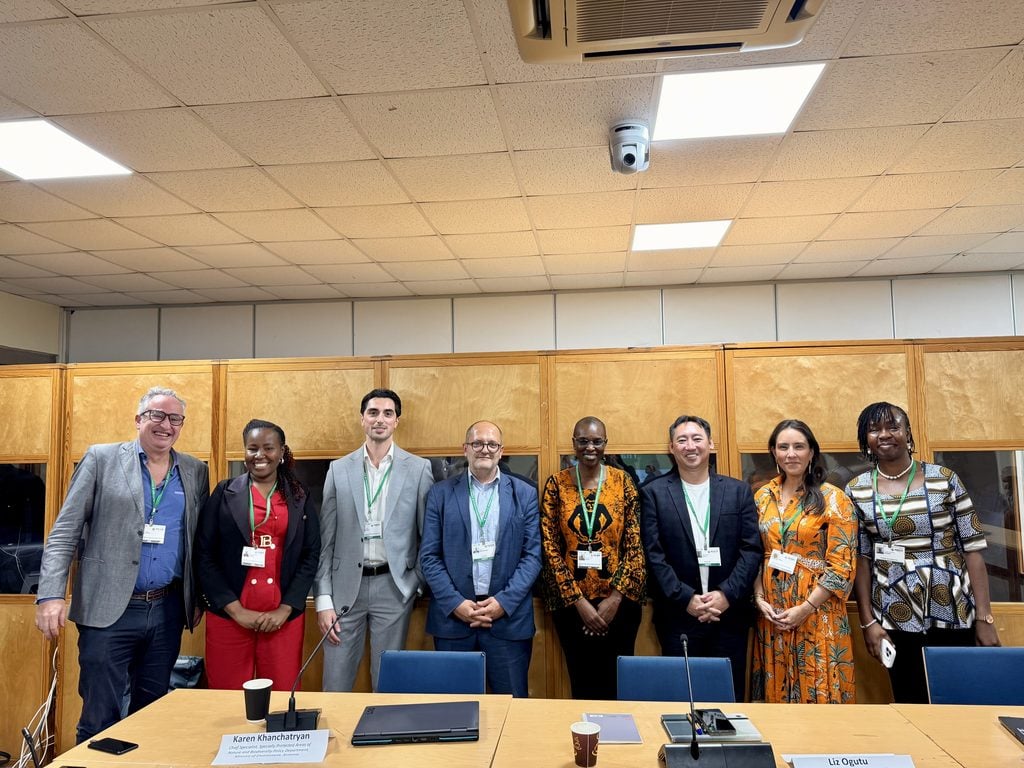
To highlight these solutions, ProVeg co-hosted an official side event alongside the Alliance of Bioversity International & CIAT and PELUM Kenya, titled: Bridging the Rio Conventions: Agrobiodiversity and Food System Transformation as the Ultimate Nature-Climate Connector.
With key milestones across all three Rio Conventions occurring this year, the event explored how food systems can serve as a unifying thread across climate, land, and biodiversity agendas.
Government & Negotiator Perspectives:
- Karen Khachatryan (UNCBD COP17 Presidency, Armenia) and Dr. Uudus Bayarsaikhan (UNCCD COP17, Mongolia) shared insights on overcoming policy bottlenecks, enhancing cross-ministerial coordination, and using National Biodiversity Strategies and Action Plans (NBSAPs) to align priorities across conventions.
- Liam Cana (UK Lead Agriculture Negotiator, UNFCCC) discussed the UK’s approach to cross-convention policy synergies and agricultural strategies that maximize co-benefits for climate and biodiversity.
Practitioner & Research Perspectives:
- Carlo Fadda (Alliance of Bioversity International & CIAT) highlighted crop diversification, biofortification, and the role of indigenous crops in building climate resilience.
- Mary Munyutha (PELUM Kenya) detailed on-the-ground implementations of agroecological practices.
- Aurelia Adhiambo (The Humane League) addressed systemic consumption shifts and plant-rich diets within the African regional context.
- Eva Gurria (NBSAP Accelerator Partnership) explained how multi-stakeholder mechanisms help governments close implementation gaps.
Building Partnerships for Impact
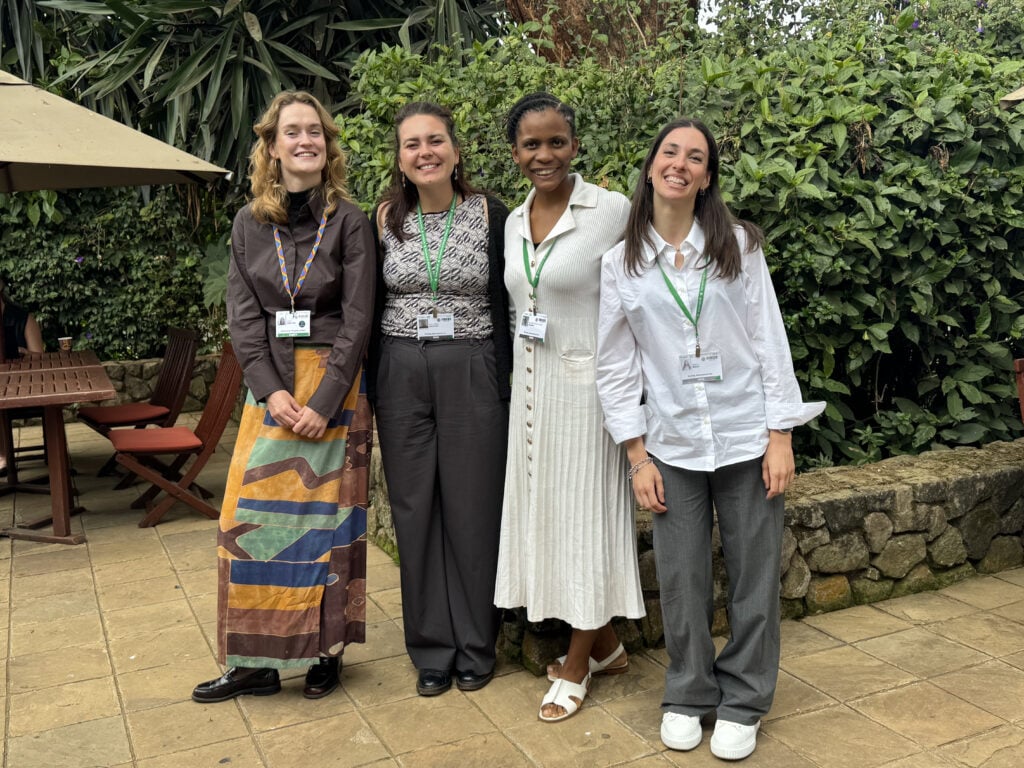
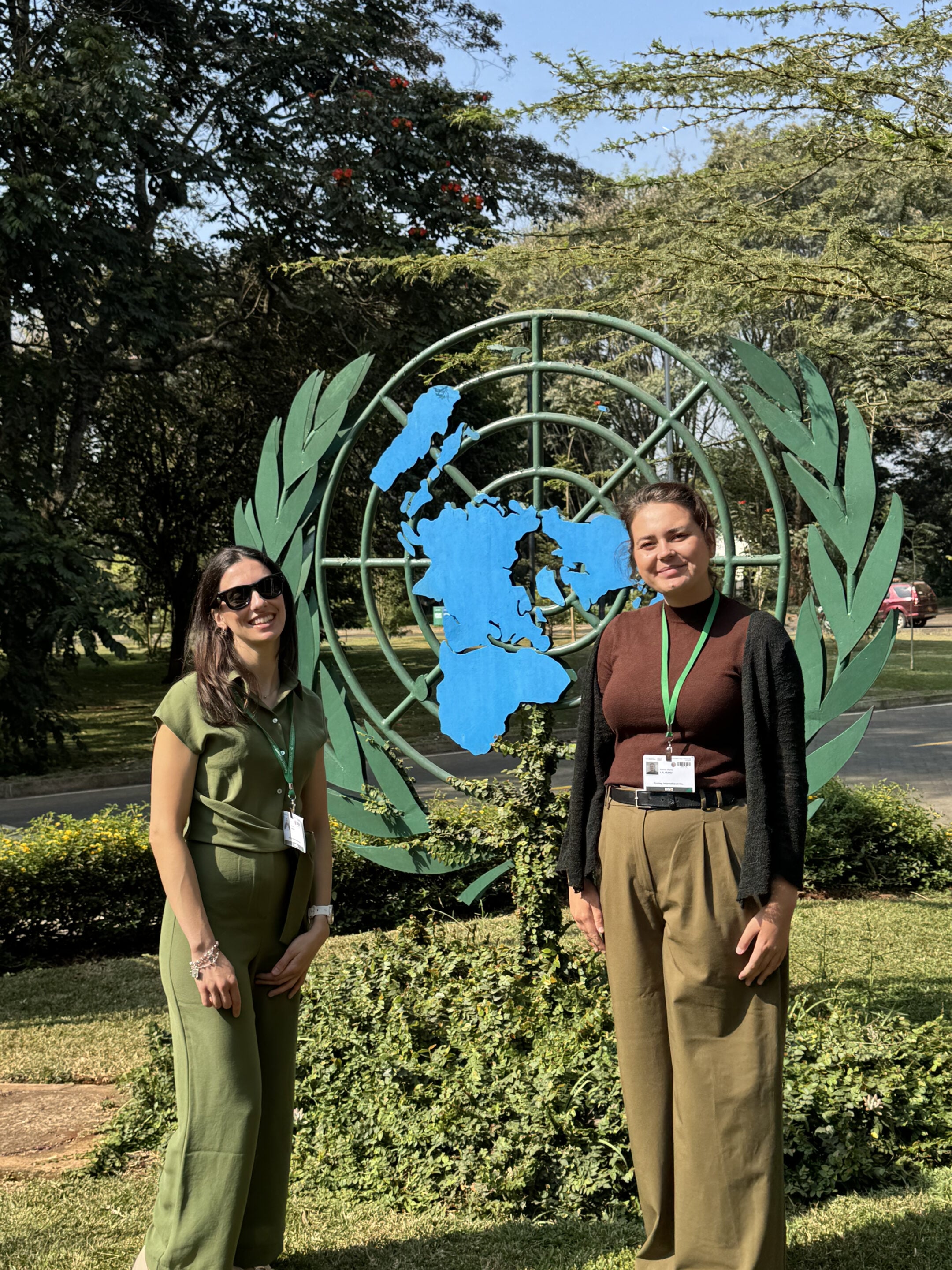
Beyond the formal negotiation halls, SBI-7 was crucial for building new strategic alliances while reinforcing existing ones. ProVeg UN Policy Manager Beatrice Rocca and Policy Officer Bianca Galatanu were joined on the ground by Marybeth Ubanwa from the ProVeg Youth Board, who led outreach to key youth networks. Connecting with groups like the Global Youth Biodiversity Network (GYBN) allowed us to identify shared priorities and ensure youth advocacy strongly incorporates food systems transformation.
Throughout the week, the team engaged in a series of bilateral discussions. A major highlight was our meeting with the incoming UNCBD COP17 Armenian Presidency team, who reaffirmed that food systems will be a priority in Yerevan and expressed strong interest in collaborating with civil society organizations.
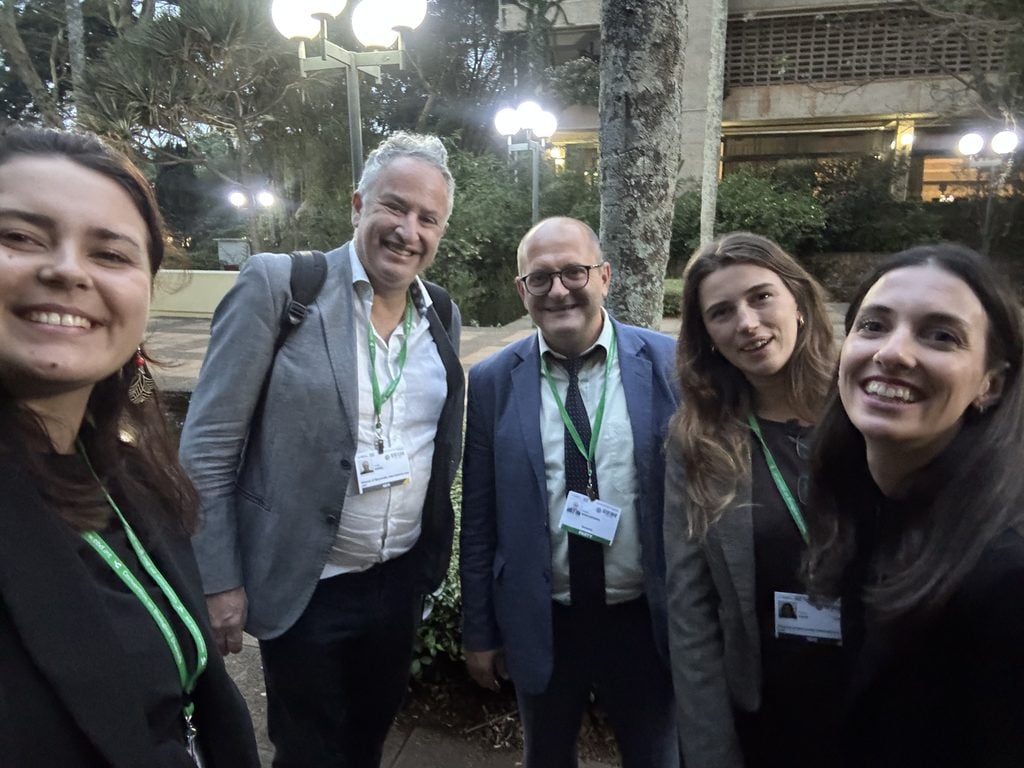
Discussions with Patrizia Fracassi, Senior Nutrition and Food Systems Officer at the FAO, further explored the critical interlinkages between nutrition and biodiversity, including the FAO’s vision for the Biodiversity for Food and Nutrition initiative.
Collaborative momentum continued through strategic partner exchanges, including a meeting with Famke Gerritsen, Dutch UN Youth Representative for Biodiversity and Food, to explore joint advocacy pathways for plant-rich diets.
To round out the week, Beatrice Rocca joined an executive, plant-based partner dinner co-hosted by FAIRR, WWF, and IISD. The gathering provided a valuable space to discuss accelerating progress on Target 18 of the KMGBF, focusing on strategies to reduce and align harmful subsidies of at least $500 billion per year toward nature-positive outcomes.
On the Road to COP17
As the global community prepares for COP17 in Yerevan, ProVeg remains dedicated to working alongside governments, youth leaders, and international partners to ensure food systems transformation stays at the very heart of global biodiversity action.