Our COP17 delegation reflects on their time in Yerevan
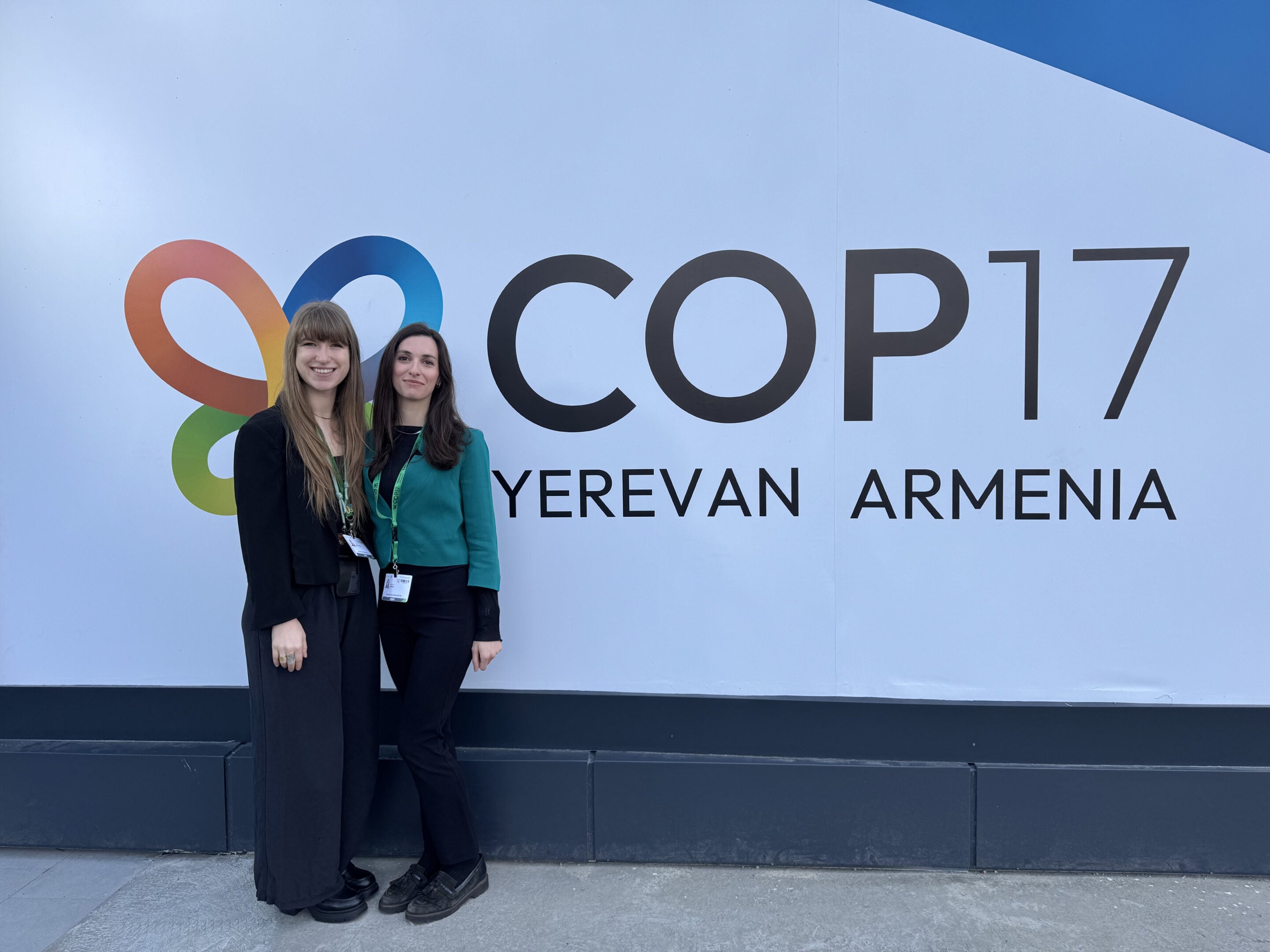
COP17, the UN Biodiversity Conference, recently concluded in Yerevan, Armenia. The ‘Nature COP’ meets every two years, and this edition fell at the midpoint between 2022, when the Kunming-Montreal Global Biodiversity Framework (GBF) and its 23 targets were adopted, and 2030, the deadline for meeting them.
This year, the ProVeg UN Policy team stepped up its engagement in the biodiversity space. Ahead of the conference, we hosted a ‘Road to COP17’ webinar and published the policy brief Safeguarding Biodiversity through Food Choices, which sets out the evidence linking diets and biodiversity, and the policies countries can adopt to align food systems with the GBF. The brief served as our position at COP17.
The intersessional meeting that preceded COP17 had already made clear how far behind the world is: 22 of the 23 GBF targets are off track for 2030. With the first global review of collective progress on the agenda, the Armenian Presidency faced the daunting task of steering Parties towards faster implementation.
Of the 23 targets, ProVeg focused on Target 16 – Sustainable Consumption – which the review confirmed is among those lagging furthest behind.
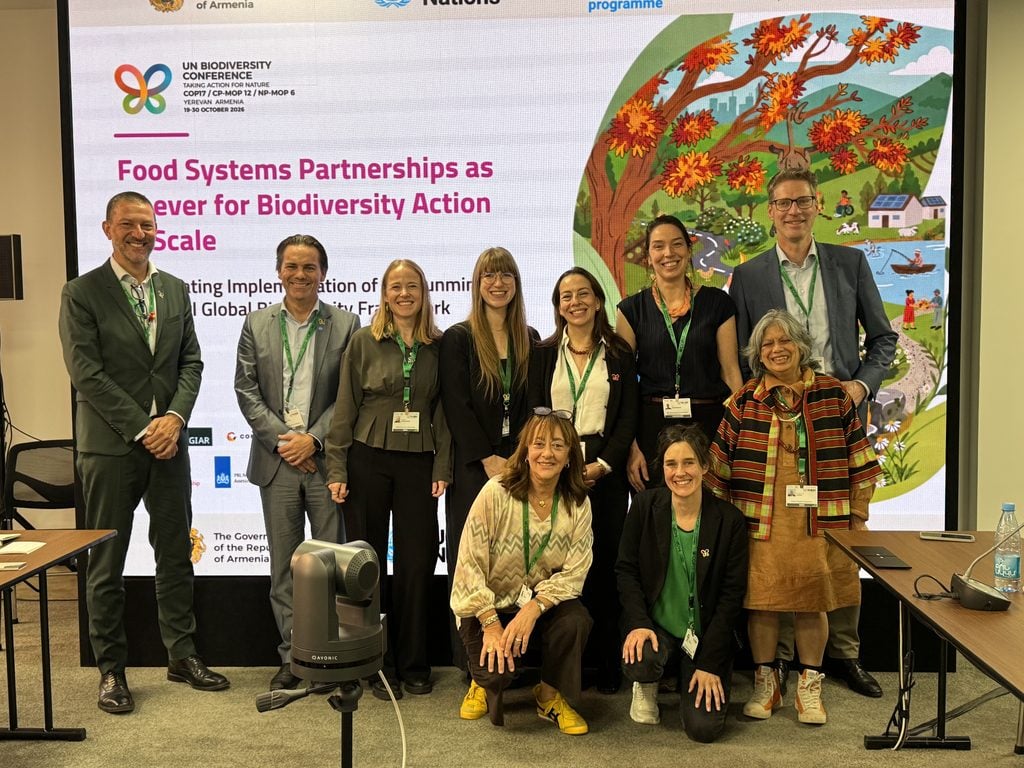
To build momentum, we led a closed-door workshop on Target 16 with Climate Focus and WWF, hosted by FAIRR, where we presented our Diets Toolkit – a practical guide to integrating healthy, plant-forward diets into national biodiversity plans – to government officials and experts from FAO, IUCN, the Asian Farmers association and other NGOs. At an official side event with Consumers International, Senior UN Policy Manager Stephanie Maw spoke about policies that make biodiversity-friendly food choices more accessible, affordable, and attractive. The European Environment Agency’s speaker named a core obstacle: Target 16 has no headline indicator, which makes the impact of food consumption on biodiversity hard to measure.
The negotiations
With 23 items on the COP17 agenda, there was reason to question whether countries would reach consensus on many of them. Within this crowded agenda, ProVeg’s aim was to make sure that what we eat is recognized as part of the solution to nature loss, not only part of the problem. Concretely, this translated into two priorities. First, we sought to protect language in the decision on ‘mainstreaming’ (the integration of biodiversity into economic sectors and policymaking) that invites countries to address “consumption and production patterns, including through informed consumer choices and sustainable procurement practices.” This language represents a key entry point in the CBD texts for countries to act on diets, from public food procurement to consumer information. Second, we advocated for retaining references to the work of IPBES, the scientific body often described as ‘the IPCC for nature’. Its Nexus Assessment identifies sustainable, healthy diets and reducing overconsumption of red meat among the policy responses that deliver co-benefits for biodiversity, climate, water, and health.
Besides raising these priorities with delegates, ProVeg submitted a formal written statement for the first time in its UN engagement. Filed on the biodiversity and climate change decision, it was entered into the official record of the conference and backed in plenary by Jordan. It asked Parties to add ‘sustainable consumption’ to the guidance for countries, keep the IPBES references and their response options, and welcome a road map for synergies across the three Rio Conventions. Although these proposals were backed by several Parties and observers, they faced opposition in the final stages of negotiation. Still, the welcoming of the Nexus Assessment and the protection of our priority mainstreaming language laid important groundwork for future advocacy.
Beyond our own priorities, COP17’s main outcome came in the conference’s final hours. After a closing plenary that ran for almost 12 hours, the Presidency secured the adoption of the Yerevan Pathway, which sets priorities for action to 2030: tackling harmful subsidies and incentives, increasing support for developing countries, aligning national budgets and economic decisions with the GBF, and strengthening implementation, monitoring, and review.
Food systems advocacy within the UN CBD
ProVeg also sought to place food systems at the center of discussions on biodiversity. Food systems drive around 40% of global biodiversity loss, and agriculture caused about 90% of global deforestation between 2000 and 2018. Food consumption accounts for 83% of biodiversity loss from agricultural land use, with animal-sourced foods responsible for 71% of that share. COP17 sent mixed signals on this. The negotiating track on biodiversity and agriculture was narrowed to soil biodiversity and pollinators, leaving out the wider relationship between food systems and nature. Outside the negotiating rooms, however, the food systems community was strongly represented.
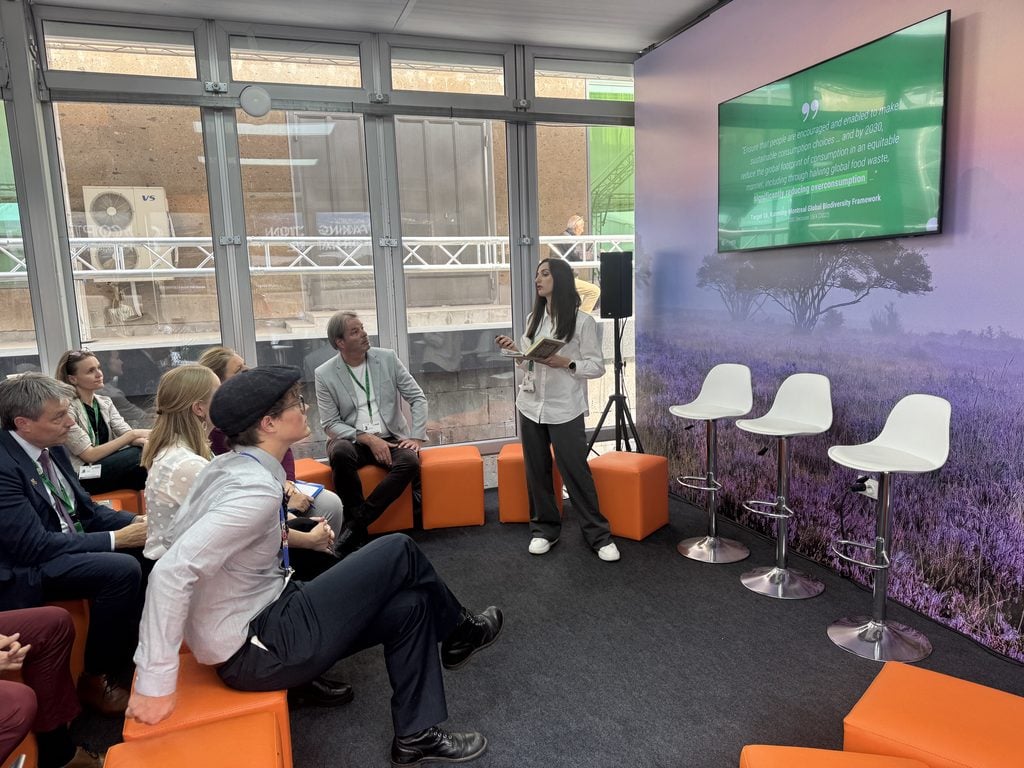
ProVeg joined the Netherlands Food Partnership at two events. On a high-level panel with the Dutch government, IFAD, and WBCSD, Juliette Tronchon argued that biodiversity-friendly food will not scale unless public policy backs it, citing our ISAAP project, which works with farmers and researchers in Portugal to scale up legume-based foods and inform a national plant-based food strategy. At the Netherlands Pavilion, Beatrice Rocca drew on our policy brief to show how plant-rich diets are a powerful lever to bend the curve of species loss, with benefits that extend well beyond nature. A global shift to healthy, sustainable diets could reduce agricultural land use by around 7%, prevent up to 15 million premature deaths a year, and generate about $5 trillion a year in economic benefits – a strong case at a time when national budgets are under pressure.
This momentum was also echoed at the political level: ministers from Brazil, Cambodia, Italy, Norway, Sierra Leone, and Vietnam, members of the Alliance of Champions for Food Systems Transformation, called for faster food systems transformation in a joint ministerial statement, noting that more than half of the 23 GBF targets depend on it.
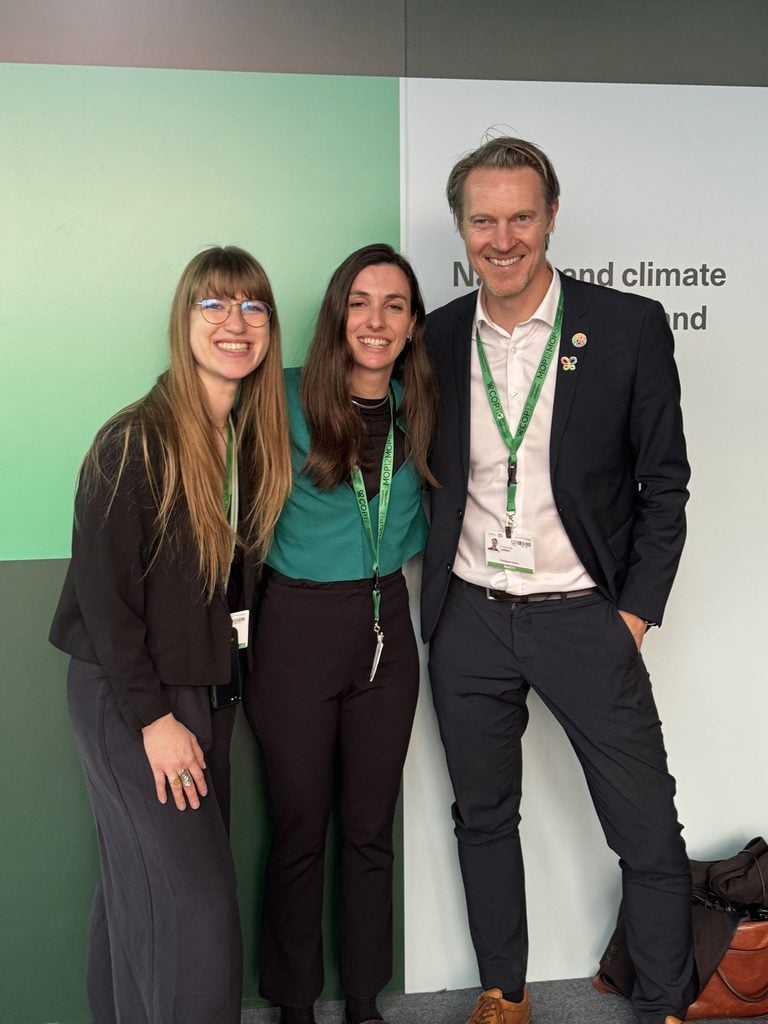
2026 is a ‘triple COP’ year, with the conferences of all three Rio Conventions held within a few months of each other. Food systems are central to all three, both as a driver of land degradation, biodiversity loss, and emissions, and as a source of solutions. At a workshop on Rio Conventions synergies convened by WWF and the Alliance of Bioversity International and CIAT, partners explored how integrated, whole-of-government approaches can deliver greater benefits for nature, climate, and land at lower cost. Although the COP17 decision on cooperation across the conventions was postponed to COP18, the case for joined-up action continues at COP31 in Antalya.
The ‘action agenda’
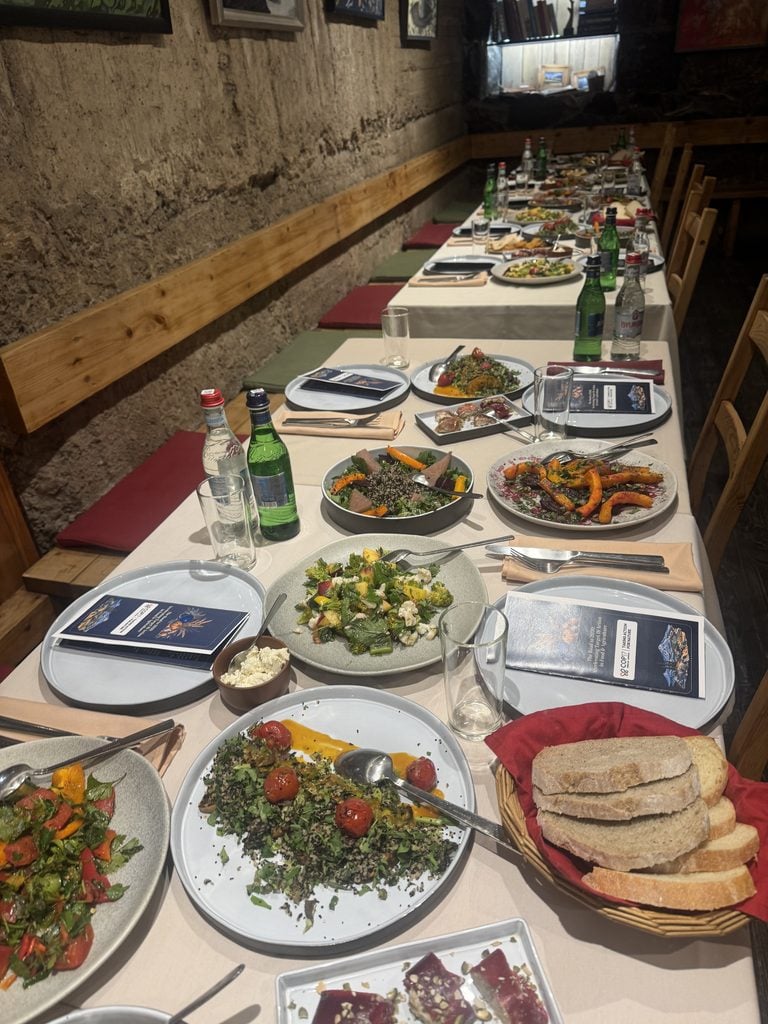
Subsidies harmful to biodiversity, addressed by Target 18, drew considerable attention. As UN Secretary-General António Guterres put it, “for every dollar invested in protecting nature, USD 30 are spent destroying it.” The negotiated outcome, however, was cautious: the global review only encourages reform “in accordance with national circumstances,” and the subsidy paragraph in the agriculture decision was removed. Momentum built outside the negotiations instead, with the launch of the Friends of Target 18 coalition and the Yerevan Biodiversity Finance Challenge. ProVeg joined an invitation-only dinner on accelerating Target 18 action in food and agriculture, hosted by the FAIRR Initiative, IISD, WWF, and Business for Nature.
Looking ahead
COP17 took place amid wars in which food has been weaponised, supply shocks such as the Strait of Hormuz crisis, and environmental crises compounded by El Niño – all threatening food security and straining the multilateral system. Yet in the conference halls there was a shared sense that gatherings like the COP matter more, not less, at times like these. The nature and climate crises do not wait for brackets to be lifted, but the COP process remains our best chance to turn the tide. ProVeg will keep showing up, bringing science-backed evidence that plant-forward diets are a key lever for restoring nature. The countdown to COP18 in Quito, Ecuador, has already started. Let’s make the next two years count.
For a full account of the negotiations and outcomes, read the Earth Negotiations Bulletin’s final summary of COP17.