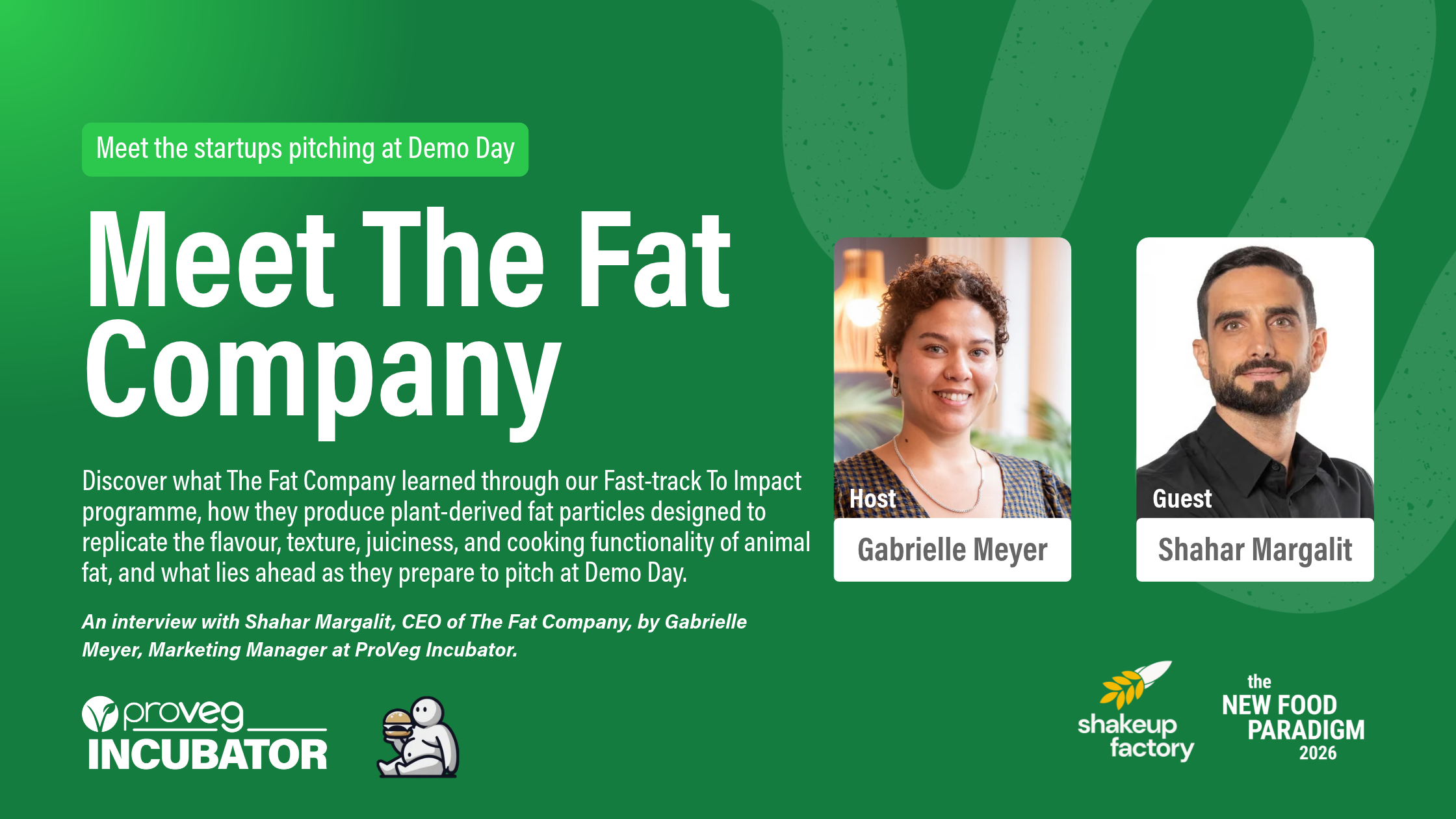
What if plant-based fat could deliver the taste and texture of animal fat at a lower cost? Foodtech startup The Fat Company has developed a patented process that transforms plant-based oils into structured fat particles designed to replicate animal fat’s performance, helping food manufacturers reduce saturated fat while maintaining the qualities consumers expect.
Fat plays a major role in how food tastes, cooks and feels. For food manufacturers, finding alternatives that deliver the same juiciness, texture and cooking performance as animal fat, without compromising on cost or nutritional profile, remains a challenge.
In this interview, Gabrielle Meyer, Marketing Manager at ProVeg Incubator, speaks with Shahar Margalit, CEO of The Fat Company, about the technology, its progress in industrial trials, and the company’s plans to scale production for food manufacturers.
A new approach to one of food’s essential ingredients
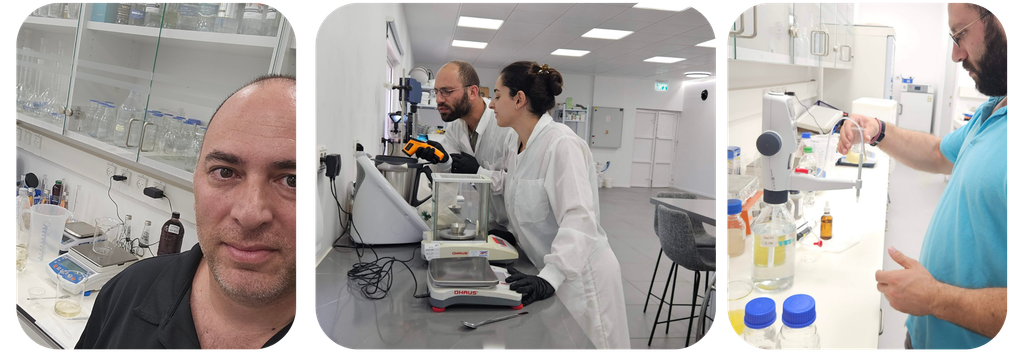
Fat is more than a source of energy. It helps determine a product’s aroma, flavor, juiciness and texture, making it a critical ingredient in many food applications. Yet manufacturers face a challenge: finding alternatives that deliver the performance of animal fat while offering improved nutritional properties and competitive costs.
The Fat Company aims to address this gap by transforming plant-source oils into structured, crystalline fat particles through a proprietary emulsion and stabilization process.
“Our technology transforms plant-source oils into structured fat particles that look, cook, and perform like animal fat,” Shahar explains.
The resulting ingredient is designed for use in conventional plant-based alternatives and other food applications. It can be mixed directly into existing formulations, without requiring manufacturers to overhaul their production processes.
The technology is protected by a patent covering the emulsion and the specialized process used to create the structured fat. According to the company, the ingredient is produced through a physical process and contains no cholesterol or trans fats, with up to 30% less saturated fat.
Performance, nutrition and cost in one ingredient
For food manufacturers, an alternative ingredient needs to do more than offer nutritional benefits. It must also deliver the taste, texture and functionality consumers expect, while making commercial sense.
Gabrielle asked Shahar how The Fat Company’s ingredient compares with animal fat in real-world applications. He explained that the team has focused on validating its performance under industrial conditions, where taste, texture, aroma and cost all matter.
Across 13 industrial trials, the company reports that manufacturers found its fat difficult to distinguish from animal fat, with some rating its aroma, taste and texture even more highly.
Cost is equally important. As Shahar explains, the company’s approach is designed to make the ingredient commercially attractive as well as technically effective.
The company says its technology can produce fat at around half the cost of animal fat. Its ingredient also arrives ready to use, potentially reducing preparation time, labor and equipment requirements. Animal fat often needs to be stored, cut or ground using dedicated equipment before it can be incorporated into a product, whereas The Fat Company’s ingredient can be mixed directly into existing formulations.
The combination of performance, nutritional profile and manufacturing efficiency is central to the company’s ambition: making healthier fat a practical choice for food producers, rather than a compromise.
From industrial trials to commercial partnership
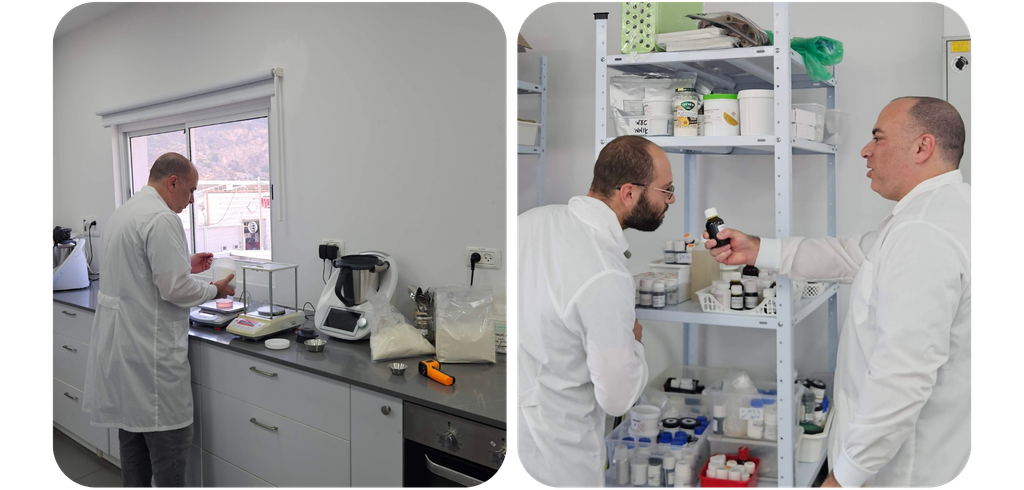
A promising ingredient must prove itself outside the lab. For The Fat Company, one of its most significant milestones has been testing its technology under real manufacturing conditions.
The team has completed 13 industrial trials with leading food manufacturers, providing an opportunity to assess the ingredient on production lines rather than relying solely on laboratory results.
These trials are now helping to move the business towards commercialisation. The company is advancing collaborations with major European food manufacturers, negotiating a manufacturing partnership in the United States, and developing opportunities in Japan.
Several collaborations are progressing towards commercial agreements. However, moving from successful trials to full commercial production remains the immediate priority.
Shahar describes this as the company’s biggest current challenge: “Our biggest challenge today is scaling from successful industrial validation to full commercial production.”
This next stage will be critical in demonstrating that the technology can deliver consistent quality and reliable output at the volumes food manufacturers require.
Bringing production technology directly to manufacturers
Rather than relying exclusively on centralized ingredient production, The Fat Company plans to deploy its proprietary production machines directly at customer facilities.
The approach is intended to allow manufacturers to produce the structured fat on-site, using a joint manufacturing model that fits into their existing operations.
Deploying the machines at customer facilities will require the company to establish a reliable model for high-volume production while maintaining product consistency and avoiding disruption to existing manufacturing processes. If successful, the model could also help The Fat Company expand internationally through established food producers and long-term manufacturing partnerships.
The company is currently raising a US$5 million seed round to support the transition to commercial production, deploy its first production machines, and accelerate its international expansion.
It is seeking investors who understand industrial technology and can contribute more than capital, including manufacturing expertise, industry connections and access to key markets.
How Fast-track To Impact helped sharpen the strategy
The ProVeg Incubator’s Fast-track To Impact program has helped The Fat Company refine its commercialisation plans and financial model while exploring opportunities beyond its initial target markets.
Working with mentors and experts helped the team strengthen its unit economics, machine deployment strategy and scale-up roadmap.
The program also opened up a potential new application area: pet food. Exploring this market has broadened the team’s perspective on where its technology could be used beyond conventional meat and alternative-protein products.
When Gabrielle asked Shahar what advice he would give founders considering the next Fast-track To Impact cohort, he emphasized the importance of staying open to new perspectives and making full use of the program’s network.
Having founded several startups and managed a family office, Shahar arrived with considerable business experience. Still, he recognizes the value of learning from others.
“No matter how much experience you have, you can’t know everything,” he says.
His advice to founders is straightforward: approach the program with an open mind and make the most of the people and expertise available to you.
A broader ambition for the future of food
“We’re not just introducing a new ingredient. We’re changing how the food industry can produce and use fat,” Shahar says.
Their vision is to help make healthier food more accessible without asking consumers to sacrifice taste or affordability.
When asked about the impact of removing the trade-off between healthier food and affordability, Shahar explains: “If we could remove that trade-off overnight, we could improve the lives of millions of people and fundamentally change the way the food industry operates.”
Looking ahead, he believes the next major transformation in food will involve not only what we eat, but how food is produced. For The Fat Company, the opportunity lies in making a different approach to fat production viable at an industrial scale.
Selected to Pitch at ProVeg Incubator Demo Day
The Fat Company was selected to pitch at ProVeg Incubator Demo Day following its participation in Cohort 2 of the Fast-track To Impact program.
ProVeg Incubator Demo Day will take place at The New Food Paradigm 2026, hosted by ShakeUp Factory.