What if the food we leave in the field could help make everyday products more nutritious and affordable? UK foodtech startup UPP uses its patented Harvesta machine to collect broccoli stems and stalks that would otherwise go unused, transforming them into upcycled fiber and binding ingredients that help food manufacturers improve existing products while reducing costs.
When broccoli is harvested, only the head is typically collected and sold, leaving much of the usable plant behind in the field. UPP is working to change that through patented harvesting technology that recovers this overlooked biomass and transforms it into functional food ingredients.
In this interview, Gabrielle Meyer, Marketing Manager at ProVeg Incubator, speaks with Mark Evans, CEO of UPP, about the technology behind the startup’s upcycling model, its progress with food manufacturers, and its ambition to make sustainable food production commercially attractive.
Making the most of the food we already grow
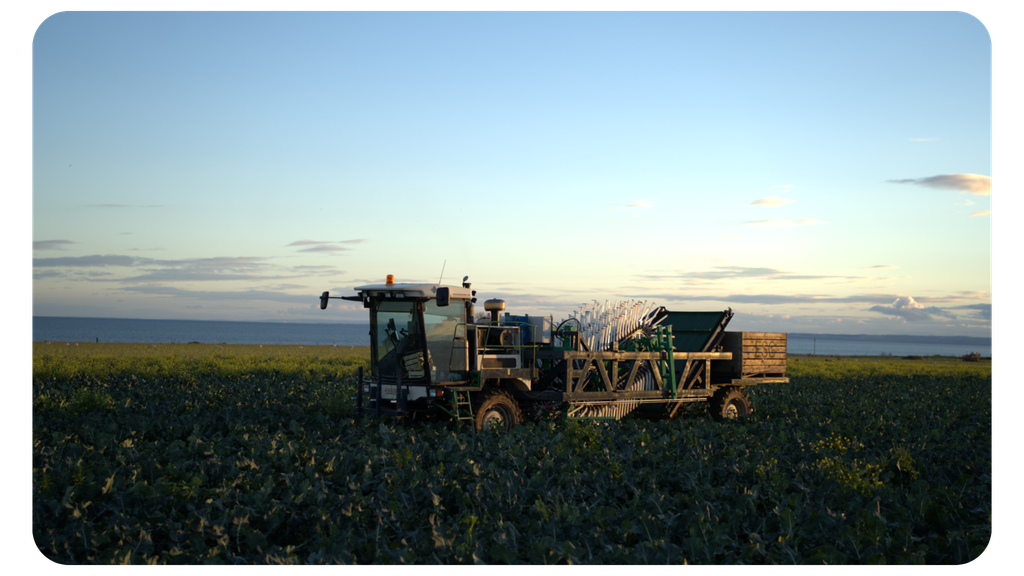
According to UPP, around 70% of the usable broccoli plant, including its stems and stalks, is left behind after harvesting. Further, the farmer typically plants 17 heads for every 10 harvested. For these reasons there is ~5kg of usable biomass for every 1kg that makes it to the supermarket shelf. Because this material is never collected, it often goes unrecorded as food waste.
For UPP, this represents a missed opportunity that addresses the health opportunity, cost challenge and environmental need. Land, water and fertilizer have already gone into growing the crop, yet much of its potential value is lost. Meanwhile, food manufacturers operate on tight margins and need ingredients that improve nutrition without increasing costs.
UPP was founded to connect these challenges by recovering more value from existing crops and turning it into affordable ingredients for everyday foods – every hectare can produce 3x more food.
“Our mission is to build a waste-free world by making sustainable, nutritious and regionally-sourced food the commercial default, not a premium,” says Mark.
The technology behind UPP’s upcycling model
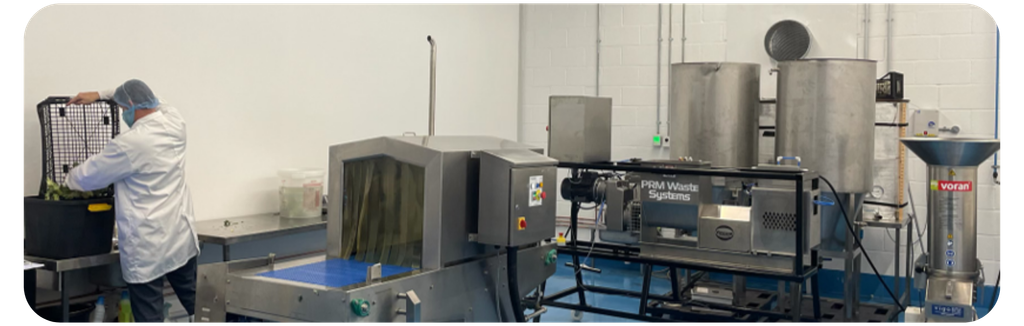
Gabrielle asked Mark what makes UPP’s technology commercially different. He explained that the company starts with a raw material that has already been grown, allowing it to target lower ingredient costs. Mark states that with the ‘permacrisi’; that food producers face – diesel prices, fertilizer prices, the Ukraine conflict, climate change impacts, super El Nino – the only answer is one that creates new value that can be distributed through a stressed supply chain. The old approach of transferring risk and profit has reached its limit.
“We start with a feedstock no one else can economically reach, allowing a production cost no one else can match,” he says.
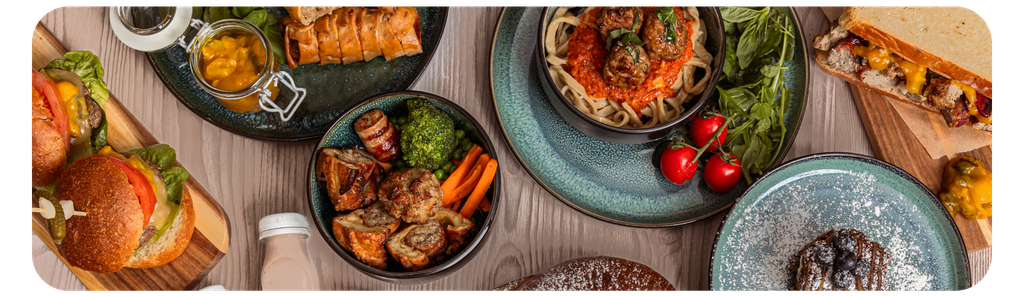
Rather than asking manufacturers to create new products, UPP aims to displace ingredients they already buy. In trials, the company reports that a hybrid burger patty cost over 10% less to produce, while a sauce formulation saved more than £1,300 per ton. UPP has also modeled a cottage pie with 125% more fiber and 20% less fat.
These results relate to specific formulations, but they illustrate the company’s approach: combine upcycling with practical nutritional and cost benefits.
From industrial trials to commercial adoption
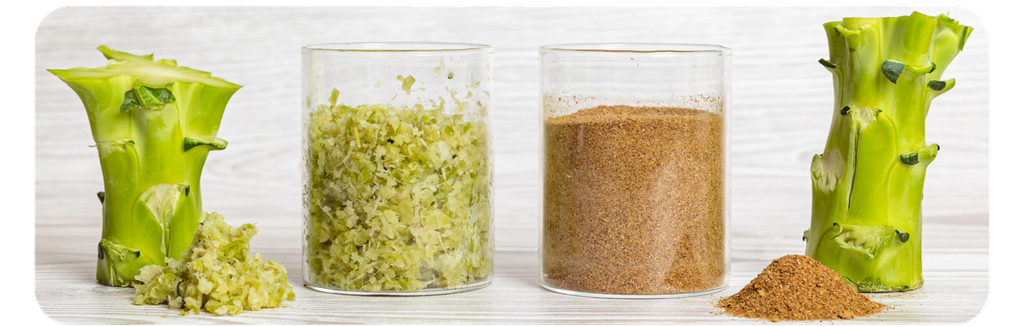
For food ingredients to reach consumers, manufacturers need consistent quality, reliable supply and regulatory clarity. UPP says fiba™ and bynda™ are non-novel ingredients, free from all 14 declarable allergens, and produced at a facility that achieved BRCGS Food Safety Grade A at its first audit in February 2026.
The company has also secured full supplier approval from two UK food manufacturers each with revenues exceeding £1 billion, according to Mark. Its pipeline includes more than 25 major manufacturers in trials, eight at or through supplier approval, and six supermarkets engaged.
When Gabrielle asked about UPP’s biggest achievement to date, Mark pointed to these supplier approvals, secured within a year of starting commercial supply.
Supplier approval is an important milestone, but it does not immediately translate into large orders. Manufacturers still need to reformulate products, run factory trials and secure retailer sign-off before scaling up.
UPP reports that it has been shipping ingredients since December 2025, with its first purchase orders for products reaching supermarkets expected from the fourth quarter of 2026. The company also says it has multi-year contracts with growers covering 100,000 tons of biomass annually.
Its next challenge is to turn trials and approvals into repeat orders while expanding processing capacity in line with demand. UPP’s modular approach allows it to add processing units designed for 10,000 tons of output per year, each costing less than £2 million, according to the company.
How customer feedback shaped the business
UPP initially planned to lead with prota™, its protein ingredient. However, discussions with buyers and development chefs revealed a more immediate demand for fiber and clean-label binding ingredients.
As Mark explains, “We set out to lead with protein (prota™), but manufacturers’ most urgent need was fiber and clean-label gelling/thickening.”
The company therefore brought fiba™ and bynda™ to market first, with prota™ to follow. UPP also learned to position its ingredients as replacements for materials manufacturers already purchase, rather than additional costs.
This shift helped align the product strategy with customer needs and gave the company a route to market without waiting for its full ingredient portfolio to be ready.
How Fast-track To Impact helped open doors
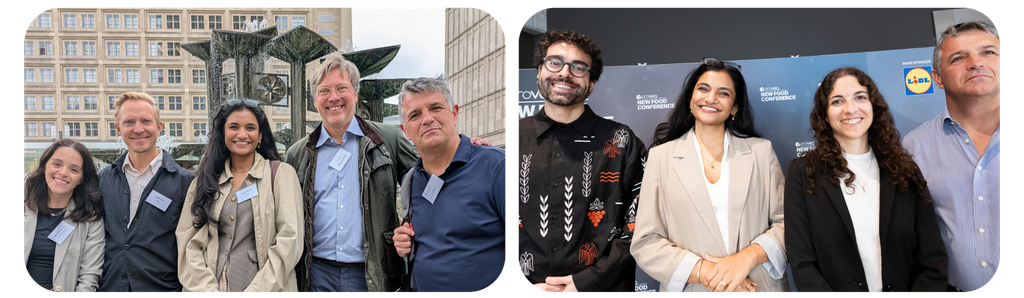
During ProVeg Incubator’s Fast-track To Impact program, UPP benefited particularly from introductions to two major US ingredient companies.
For a UK startup, reaching the right people at global ingredient businesses can take years of cold outreach. These introductions enabled UPP to begin technical and commercial discussions and helped shape its plans for potential US expansion.
When Gabrielle asked Mark what advice he would give founders considering the program, he emphasized the importance of knowing which relationships would make the biggest difference.
“Come for the coaching, stay for the introductions; they’re what change your trajectory,” he says.
He also encourages founders to be open to having their assumptions challenged, particularly when it comes to understanding their customers and why they would buy a product.
Funding the next stage of growth
UPP is raising a £5 million Series A, with £1.6 million already committed, of which £1m has already been received, according to Mark. The funding is intended to support its UK operations and potential expansion into the US.
The company is seeking partnerships with global ingredient businesses that can bring fiba™ and bynda™ to manufacturers beyond the UK, alongside relationships with additional growers, food manufacturers and foodservice operators.
For Mark, investors who bring industry connections and routes to market are particularly valuable. As he puts it, “We value capital that brings customers, not just cash.”
Making the food we already grow count
For Mark, the future of food is not only about developing new crops or production technologies. It is also about making better use of what is already grown.
When asked which food system challenge he would solve overnight, his answer was simple:
“I’d make the food we already grow count.”
That ambition sits at the heart of UPP’s model: recovering overlooked plant material and turning it into useful, affordable ingredients. By combining harvesting technology with ingredient processing, the company aims to help farmers earn more from their crops while enabling manufacturers to improve familiar foods without adding unnecessary costs.
Selected to Pitch at ProVeg Incubator Demo Day
UPP was selected to pitch at the ProVeg Incubator Demo Day following its participation in Cohort 1 of the Fast-track To Impact program.
ProVeg Incubator Demo Day will take place at The New Food Paradigm 2026, hosted by ShakeUp Factory.