

Expert advice for modern families
Feeding a family is rarely straightforward. Add in the desire to eat more sustainably and in line with plant-based principles, and things can start to feel more complicated. Not because it’s inherently difficult, but because it means rethinking routines and challenging assumptions.
But going plant-based as a family doesn’t mean overhauling everything overnight. And according to experts working with children, families, and school kitchens across the UK, it’s far more achievable than many people think.
“Parents often find themselves pressed for time while managing tight budgets,” says Sophia Millar, Head of Programmes at ProVeg UK and an experienced nutritionist. “They also worry about how their children will react to new foods. Both children and adults tend to prefer familiar meals, and no one wants to deal with wasted food or hungry children.”
This cautiousness is understandable, but it can also make families reluctant to try something new — even when it could make mealtimes easier and more rewarding in the long run. Often, the biggest step is simply finding a new starting point — something familiar enough to feel doable, but different enough to begin changing habits.
“A really simple step is to start blending extra plants and legumes into sauces, especially mince dishes and curries,” Sophia suggests. “It could be lentils in a bolognese, mashed butter beans in a creamy curry – anything that adds fibre and nutrition while reducing meat content. Just adding more plants is a really positive first step.”
It’s an approach that gives families room to experiment without pressure. For those who aren’t fully plant-based, it can make mealtimes feel more relaxed and help new routines settle in more easily. As the experts emphasise, it’s about gradually building familiarity and confidence with ingredients and meals that work for everyone.
Polly Higginson, a chef trainer with ProVeg UK’s School Plates programme, sees that process up close. “Sometimes it’s the parents’ own assumptions that hold them back,” she says. “They assume their children won’t like a certain dish, when actually they might. Kids often surprise us.”
Beyond the beige
So what do children actually need from a plant-based diet – and how can parents ensure they’re getting it?
Sophia outlines a clear and simple nutritional framework. Rather than overhauling everything, she suggests focusing on a few key nutrients and some smart, everyday swaps.
Protein, for instance, can come from a wide variety of sources: lentils, beans, tofu, nuts, seeds, and whole grains. Iron is present in spinach, fortified cereals, dried fruit, and pulses – especially when paired with vitamin C to enhance absorption. Calcium can be found in fortified plant milks, sesame seeds, tofu set with calcium, and leafy greens. For nutrients such as vitamin B12 and vitamin D, fortified foods and supplements are often the simplest, safest route.
Sophia also notes the importance of omega-3s (found in flax, chia, hemp, and walnuts) and zinc (from legumes, seeds, and whole grains). She says the key is to include protein, plants, and complex carbohydrates with every meal. “That foundation keeps things simple.”
Encouraging curiosity, not compliance

However, nutrition is only half the battle. Getting children interested in plant-based meals – especially if they’re used to a meat-centric plate – can feel like a hurdle. For Polly, the trick lies in involvement.
“Let them choose recipes and help with shopping. Get them involved in the kitchen,” she says. “Even just unpacking the veg and getting familiar with it can make a difference. The more engaged they are, the more likely they are to try new things.”
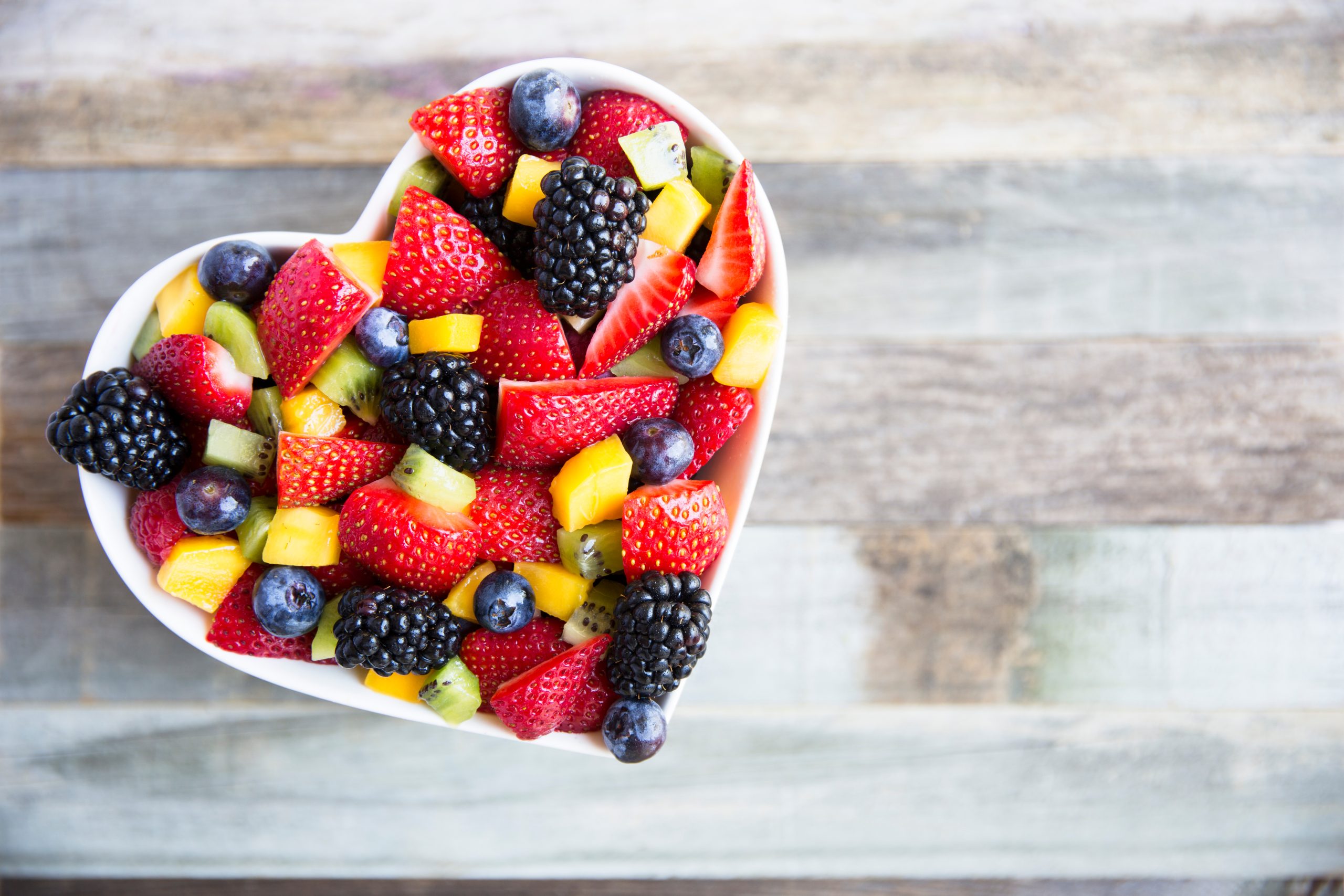
She’s also a firm believer in taking off the pressure. “There shouldn’t be a rule that they have to like everything straight away. It’s about openness, not forcing. Use fun ideas like ‘eating the rainbow’ to explore different colours and ingredients – kids really get that.”
At the table – and in the lunchbox
For all the creativity that plant-based eating can inspire, weekday life still needs practical solutions – especially at lunchtime. Both experts acknowledge that packed lunches are a challenge for many parents.
“The key is balance,” says Sophia. “You want a source of protein, colourful fruit and veg, and wholegrains. Stir-fried tofu strips in a wrap, pasta salads with beans and chopped veg, hummus with crackers and veg sticks, and soya yoghurt with fruit are all great for the lunchbox. It doesn’t have to be complicated.”
Polly adds that lunchboxes with compartments can make all the difference. “Presentation matters, especially if the lunchbox has been knocked about in a school bag. Cold rice or pasta dishes, wraps, fruit and yoghurt – you can go beyond the sandwich.”
When it comes to the evening meal, both agree that cooking one core plant-based dish for the whole household can work well – with optional extras such as grated cheese or a side dish of meat added as needed, at least initially.
“You want to respect everyone’s dietary choices,” Polly says, “but it’s also about creating meals you can all enjoy together. That helps with connection and consistency.”
What schools are getting right

A big part of ProVeg UK’s work takes place in school settings, supporting the development and delivery of plant-based meals children might not encounter at home. The School Plates programme supports caterers in developing delicious plant-based dishes, and encourages pupils to try them through taste tests and positive menu changes.
“Children are more adventurous than we give them credit for,” says Sophia. “We get great feedback from pupils, and caterers are telling us that international dishes, street-food-style meals and vibrant flavours really appeal.”
Polly has seen first-hand how normalising plant-based meals in schools can influence habits beyond the dining hall. “When they see these meals regularly and try them without pressure, it becomes part of what food looks like to them. That’s a huge step.”
Start where you are
For families considering a shift towards more plant-based meals, the advice from Sophia and Polly is clear: start with small steps and focus on what works for your family.
“Trying one new dish a week is a great way to begin,” Sophia says. “Keep it fun, keep the language positive, and let children explore their preferences. And, remember, it’s not about perfection – it’s about progress.”
Resources such as the School Plates recipe collection and books such as How to Go Plant-Based or Kids Kitchen Takeover Recipe Book offer further inspiration. But above all, the message is one of encouragement.
The advice from Sophia and Polly comes back to a few simple ideas. Start small with meals that already feel familiar. Involve children where you can – they’re often more open than expected. Plant-based nutrition does take a bit of thought, but the essentials are easy to cover with everyday foods. And take it at your own pace. There’s plenty more to explore on our website when you’re ready to take the next step.


Simon Middleton
Senior Writer